
Rats in the Roof? 7 Signs Your Home May Need Rodent Treatment
Hearing scratching or movement above the ceiling at night can be unsettling, especially when you cannot see what is causing it. In many homes, unexplained noises from the roof space can be one of the first indications that rats or mice have moved in.
Rodents are resourceful animals. A roof cavity can provide them with shelter and access to nesting materials while keeping them relatively undisturbed. Once inside, they may travel through wall cavities, storage areas and other hidden sections of the property while searching for food and water.
The problem is that rodent activity is not always immediately obvious. You may hear the occasional noise and assume it is coming from outside, or notice a small amount of damage without connecting it to rats or mice.
Recognising the warning signs early can help you decide whether it is time to investigate further or arrange professional rodent treatment.
If you are concerned about rats in your roof, here are seven signs worth watching for.
1. Scratching, Scurrying or Movement in the Roof
One of the most common reasons homeowners suspect rodents is hearing activity above the ceiling.
You may notice:
-
scratching sounds
-
light scurrying or running
-
rustling
-
gnawing noises
-
movement inside walls or ceilings
The noises may be more noticeable when the rest of the home is quiet.
A single sound does not necessarily confirm a rodent problem. Birds, possums and other animals can also create noises around roofs. However, repeated scratching or scurrying from the same areas deserves closer attention, particularly when accompanied by other signs of rodents.
North Metro Pest Control specifically identifies rodents scurrying in ceilings as one of the pest issues experienced by families throughout Brisbane's northside and the Moreton Bay area.
If the activity continues over several nights, arranging an inspection can help determine what is actually happening inside the roof.
2. Rodent Droppings Around the Property
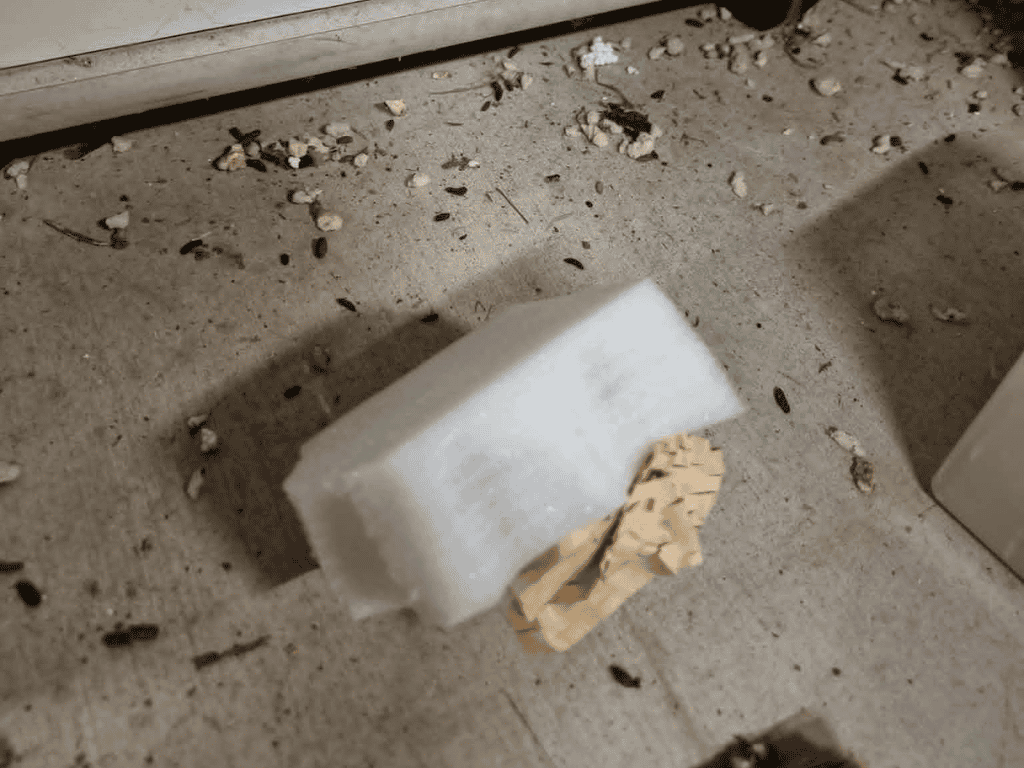
Droppings are another important indicator of rodent activity.
They may appear in areas where rats or mice regularly travel or search for food, including:
-
roof cavities
-
cupboards
-
garages
-
sheds
-
storage areas
-
behind appliances
-
along walls
-
around stored food or pet food
Fresh droppings can indicate that rodents are currently active nearby, while larger accumulations may suggest the problem has been developing for some time.
Rodent contamination should not simply be ignored. Queensland Health recommends keeping homes and workplaces free of rats and mice as part of reducing exposure to diseases associated with rodents and contaminated environments.
Avoid handling droppings unnecessarily with bare hands. If you discover considerable rodent activity, particularly inside a confined roof space, professional assessment may be the safer and more practical option.
3. Gnaw Marks and Unexpected Damage
Rats and mice have teeth that continue growing throughout their lives, which means gnawing is part of their normal behaviour.
Inside a property, this can result in damage to a wide variety of materials.
You may notice chewing or gnawing around:
-
timber
-
cardboard boxes
-
plastic containers
-
stored belongings
-
insulation
-
packaging
-
cupboards or cabinetry
Damage may appear as rough edges, small bite marks or shredded material.
Sometimes homeowners first discover a possible rodent issue when they move boxes in the garage or access a storage area that has not been disturbed for several months.
Fresh gnawing combined with noises or droppings is a much stronger indication that rats or mice may be present.
Rather than treating each damaged item as an isolated problem, look for patterns. Multiple signs occurring in roof spaces, garages and cupboards can indicate rodents are moving through several parts of the home.
4. Nesting Materials in the Roof or Storage Areas
A sheltered roof cavity can offer rodents somewhere to establish a nest away from everyday household activity.
Rats and mice may collect soft or easily shredded materials and carry them to protected locations.
Potential nesting materials can include:
-
paper
-
cardboard
-
insulation
-
fabric
-
packaging material
-
dried vegetation
-
other soft household materials
You may notice piles of shredded material in roof cavities, garages, sheds or behind stored items.
Finding nesting material becomes particularly significant if droppings, gnawing or noises are present nearby.
Removing visible nesting material alone may not resolve the underlying infestation. If rodents still have access to the property, they can remain active elsewhere or establish another nesting location.
This is where a more complete rodent treatment strategy becomes important. North Metro Pest Control states that its rodent services include inspections to identify infestation signs, trapping and removal, and tailored prevention strategies designed around the individual property.
5. Unusual Smells Coming From the Roof or Walls
Sometimes you may smell a rodent problem before you see one.
Rodent activity can create unpleasant odours in confined spaces, particularly when animals repeatedly occupy the same location.
You might notice an unusual smell:
-
near the ceiling
-
around cupboards
-
inside garages or storage areas
-
close to wall cavities
-
when opening the roof access point
The source can be difficult to identify because roof spaces and wall cavities are largely hidden.
An unexplained persistent smell does not automatically mean rats or mice are responsible. Moisture, mould, plumbing problems and other pests can also produce unusual odours.
However, when an odour appears alongside scratching noises, droppings or gnawing, it adds another reason to investigate possible rodent activity.
6. Signs Rodents Are Accessing Food
Rodents do not necessarily remain inside the roof.
If they can move through wall cavities or other parts of the building, they may eventually reach areas containing food.
Watch for damaged or disturbed:
-
food packets
-
cereal boxes
-
pantry goods
-
pet food bags
-
bird seed
-
rubbish bins
-
stored produce
You may also find droppings close to food storage areas.
Queensland Health advises keeping homes free from rats and mice by maintaining cleanliness and avoiding leaving food scraps accessible.
Simple prevention measures can therefore make your home less attractive to rodents. Keep food in suitable sealed containers, clean up spills and crumbs promptly, secure rubbish and avoid leaving pet food accessible for extended periods.
These steps are useful, but they may not be enough when rodents are already established inside the roof.
7. You Keep Seeing Rats or Mice Around Your Home
Seeing an actual rat or mouse is perhaps the clearest sign that further investigation is needed.
You might spot rodents:
-
crossing the yard
-
near rubbish bins
-
around sheds
-
entering or leaving the roof area
-
inside the garage
-
near outdoor food sources
-
moving through the home
Even an occasional sighting should not automatically be dismissed.
The animal you see may only be one part of the activity occurring around the property. Rodents can spend considerable time in concealed locations, so visible sightings combined with roof noises or droppings may indicate a more established problem.
Look around the exterior of your home as well. Possible entry areas can include gaps around building components or other openings that provide access into sheltered parts of the structure.
A professional inspection can help identify signs of activity and provide advice suited to the layout and condition of the property.
Why Do Rats and Mice Enter Roof Spaces?
Rodents generally enter properties because the environment offers something useful to them, particularly shelter, food or access to nesting areas.
A roof cavity can be attractive because it is protected from weather and receives relatively little human disturbance.
Properties can also provide nearby food sources through rubbish, pet food, bird seed, compost, outdoor feeding areas or poorly stored pantry goods.
Once rodents find a suitable environment, simply removing the food they have accessed may not be enough. Attention also needs to be given to where they are travelling and how they are getting into the building.
That is why effective rodent management usually involves looking at the property as a whole rather than focusing only on the location where noises were first heard.
What Should You Do If You Think You Have Rats in the Roof?
If you suspect rats in the roof, start by looking for several of the warning signs covered above.
Check accessible areas for:
-
droppings
-
damaged food packaging
-
gnawing
-
nesting materials
-
unexplained odours
-
possible entry points
Avoid putting yourself at risk by entering difficult or unsafe roof areas simply to confirm an infestation.
Instead, consider arranging professional help when signs are persistent, when you are regularly hearing activity, or when you cannot determine where the rodents are entering.
A professional pest controller can inspect the property and develop a treatment approach based on the type and extent of activity identified.
When Should You Consider Professional Rodent Treatment?
Occasional evidence outside the property may sometimes be addressed by improving sanitation and reducing access to food and shelter.
Professional rodent treatment should be considered when:
-
scratching or movement continues in the roof
-
droppings repeatedly appear
-
you discover nesting activity
-
food packaging is being damaged
-
rodents are regularly seen around or inside the home
-
you cannot identify how they are getting inside
-
the problem continues despite your prevention efforts
North Metro Pest Control provides rodent control in Caboolture and services families across north Brisbane and the Moreton Bay Region. Its rodent service includes inspections to identify signs of infestation, trapping and removal, together with prevention and ongoing maintenance advice tailored to the property.
The business currently lists both a standard Rodent Treatment option and a Rodent Treatment with 30 Day Follow Up option on its pricing pages.
For homeowners looking for rat control in Caboolture, having the property professionally assessed can provide a clearer understanding of the extent of the problem and the most appropriate next steps.
Reducing the Risk of Future Rodent Problems
Treatment is only one part of effective rodent management.
Making your property less attractive and more difficult for rodents to access can help reduce the likelihood of future problems.
Useful preventative measures include:
-
keeping rubbish securely contained
-
cleaning up food spills and crumbs
-
storing pantry items properly
-
securing pet food
-
reducing unnecessary clutter
-
checking accessible areas for potential entry points
-
keeping storage spaces organised so signs of activity are easier to spot
Pay particular attention to garages, sheds, storage areas and other quiet spaces that are not inspected regularly.
Regularly checking these areas means you are more likely to notice signs of rodent activity before the problem becomes more difficult to manage.
Need Rodent Control in Caboolture?
Rats and mice are good at staying out of sight, but they often leave evidence behind.
Scratching noises, droppings, gnaw marks, nesting materials, unusual smells, damaged food packaging and actual rodent sightings can all indicate that it is time to investigate what is happening inside your property.
The earlier you recognise these signs, the sooner you can address the conditions that may be allowing rodents to live and move around your home.
If you are dealing with rats in the roof or other suspected rodent activity, North Metro Pest Control provides professional rodent control in Caboolture and throughout north Brisbane and the Moreton Bay Region. Their approach includes property inspections, appropriate rodent management and practical advice to help reduce the chance of future activity.
Conclusion
A few scratching sounds in the ceiling may seem harmless at first, but repeated noises together with droppings, damaged materials or nesting activity should not be overlooked.
Rodents can remain hidden in roof cavities and other sheltered areas, so understanding the early warning signs is an important part of protecting your home.
Good food storage, waste management and property maintenance can help make your home less attractive to rats and mice. However, when rodent activity is already established or continues despite your efforts, professional rodent treatment can help identify the problem and determine an appropriate way forward.
For reliable rat control in Caboolture, North Metro Pest Control can inspect your property, assess the signs of activity and recommend a treatment approach suited to your circumstances.